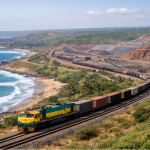
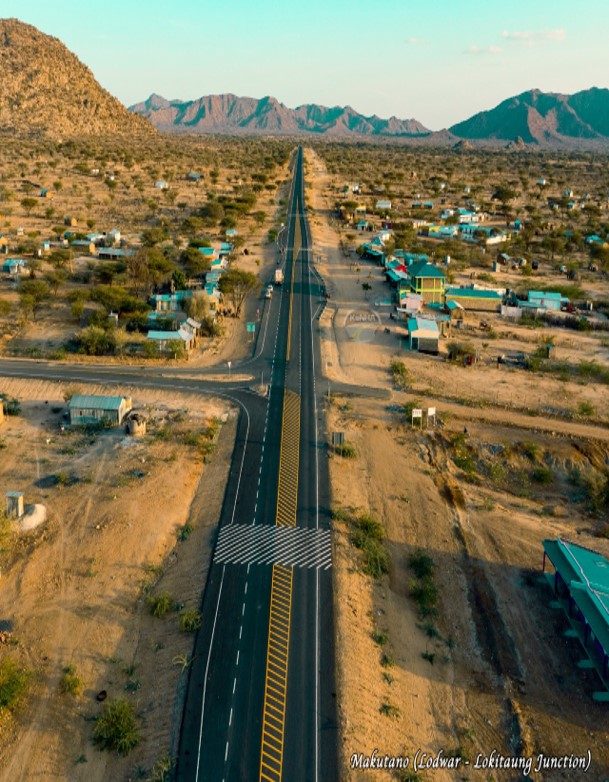
In East Africa, large transnational infrastructure projects and corridors are transformative public investments that can catalyse change and significantly reduce business costs and trade frictions for MSMEs and agribusinesses. It’s clear that relative to other global markets, entrepreneurs in the region face steep logistical challenges when it comes to costs, non-tariff barriers and transportation times of goods and people, and these initiatives aim to change that. Though these are long-term projects, some of them, such as the Northern Corridor that spans across six East African countries, are already starting to show positive results, and it is obvious that the expansion of infrastructure networks across the region will continue to provide substantial benefits to local entrepreneurs and businesses. However, significant gaps remain, in particular the integration of these projects into existing transnational and local agreements, deals and initiatives.
Context
Infrastructure is one of the key components supporting the growth of intra-African trade and African companies’ international competitiveness. Led by investments in public infrastructure, transport, logistics and an agricultural rebound, East Africa especially has become one of the fastest-growing regions on the continent with a 2024 GDP growth rate of 4.9% (East African Community Secretariat). Corridors in particular, major transport infrastructure spanning across multiple countries, are one of the key public infrastructure investments in stimulating intra-continental trade and increasing local value addition (OECD). In general, by enhancing the efficient movement of goods and persons, and lowering transport costs and inventory needs, expansion in local infrastructure and corridors can significantly reduce the cost of doing business and grant entrepreneurs further access to local and global markets.
One of the largest corridor infrastructure investments in the region has been the Northern Corridor: a multimodal transport corridor linking the Kenyan port of Mombasa to the countries of Burundi, Democratic Republic of Congo (DRC), Rwanda, South Sudan and Uganda to promote the socio-economic development of the region through the efficient movement of goods and persons (Northern Corridor Transit and Transport Coordination Authority).

The corridor’s road network already spans over 13,700km across all member states, with a 3,633km railway network already built and a planned 2,093km expansion in Uganda and Kenya (Northern Corridor Transport Observatory). By implementing infrastructure projects like the Northern Corridor, trade within the East African Community (EAC), which includes the countries mentioned previously plus Tanzania and Somalia, reached an all-time high of US$14.3bn in 2024 and exports to the world reached US$52.3bn (East African Community Secretariat).
Analysis from the Northern Corridor Transit and Transport Coordination Authority (NCTTCA), the organisation behind the Northern Corridor architecture, shows that a 10% reduction in transit time could potentially lower trade costs by 4.21%, demonstrating the significant potential of such initiatives. These figures demonstrate that enhanced local infrastructure can further tap into a region’s economic potential and drastically enhance the opportunities for local Micro, Small and Medium Enterprises (MSMEs) and agribusinesses.
Challenges for Local Businesses
One of the most significant challenges facing entrepreneurs and local businesses in East Africa is the high cost of logistics. Across the East African Community (EAC), logistics costs are estimated to be two to three times higher than the global average (East African Business Council). Road freight costs range from US$1.8–2.4 per kilometer on major routes in Kenya and Uganda and exceed US$3 per kilometer in the Democratic Republic of Congo (Northern Corridor Transport Observatory). In addition, non-tariff barriers (NTBs)—including lengthy border procedures, administrative checks, high energy costs, regulatory uncertainty, and limited access to finance—continue to increase the cost of doing business. According to UNECA estimates, these barriers affect approximately 64% of exporters in the EAC and can raise business costs by between 6% and 11% (East African Community Secretariat).
These challenges are particularly burdensome for MSMEs, which form the backbone of East Africa’s entrepreneurial ecosystem. Agribusinesses, for example, face logistics expenses that account for nearly 30% of production costs, while post-harvest losses can reach 40% because of transportation delays and inadequate aggregation facilities (East African Business Council). Many innovative MSMEs also struggle to scale their operations due to limited capital, skills shortages, and infrastructure gaps. As noted by the Kenya Association of Manufacturers (KAM), many firms remain “trapped in survival mode rather than growth.” Speaking in KAM’s Industry Today magazine, John Paul Okwiri, CEO of Konza Technopolis, observed that many entrepreneurs seek to formalize their businesses in order to access financing, export markets, and larger contracts but are discouraged by the associated bureaucracy and costs (Kenya Association of Manufacturers 42–43).
Beyond their impact on individual businesses, high logistics costs and persistent NTBs also constrain regional economic integration and limit the opportunities created by the African Continental Free Trade Area (AfCFTA). For entrepreneurs, expensive and inefficient transport networks make it more difficult to access new customers, expand across borders, and participate in regional value chains. To address these challenges, governments and regional institutions are investing in infrastructure development and pursuing greater trade and transport policy harmonization. These efforts aim to improve physical connectivity, reduce transit times, lower transportation costs, and create more efficient trading systems across Eastern Africa (Northern Corridor Transit and Transport Coordination Authority). Over time, such reforms could enable entrepreneurs to access a larger integrated regional market rather than navigating fragmented national markets individually, unlocking new opportunities for business growth and innovation (TradeMark Africa).
Case Studies
With the help of fast-tracking by the NCTTCA, the development of the Naivasha Dry Port in Kenya aims to help local agribusinesses by positioning it and other local features of the Northern Corridor as a lower-cost, lower-emissions route for Kenya’s perishables without compromising quality (TradeMark Africa) (Northern Corridor Transit and Transport Coordination Authority.). Beginning in March 2025, following the expansion of the regional infrastructure network, pilot shipments within Kenya using refrigerated rail connect the ports of Naivasha to Mombasa in eight hours, compared to the 15 hours or more it would normally take by road. This demonstrates the impact infrastructure expansion can have on the time taken to transport goods between regions, especially regional hubs like Naivasha and Mombasa, which is particularly important for agribusinesses given the perishable nature of their goods.
Infrastructure initiatives such as the Northern Corridor have also played an indirect part in reducing NTBs and spurring East African innovations to further reduce transport times. For example, Trademark Africa, a leading Aid-for-Trade organisation that aims to grow intra-African and global trade, spearheaded the introduction of the Regional Electronic Cargo Tracking System (RECTS) (TradeMark Africa). This is an information technology system that assists in the electronic tracking of transit goods for revenue authorities in Kenya, Uganda, Rwanda, and the DRC along the Northern Corridor to increase the accountability of goods and reduce cargo transit time (UN Economic and Social Commission for Asia and the Pacific). By electronically monitoring the movement of transit goods in real-time across the Northern Corridor, the RECTS system ensures better coordination and cooperation between authorities, reduced transportation time and NTBs, and the safe and secure arrival of goods. Thus, with the underlying infrastructure in place, further innovations such as RECTS can be built on top of the architecture to further enhance regional and global trade for East African entrepreneurs and businesses.
Recommendations
However, despite the strides made in reducing trade costs and frictions, there is still much more work to be done. NTBs still persist, maintaining high regional trade and logistics costs for local businesses relative to the global average (East African Business Council). Leo Svahnback, Council Chair of TMA, argues that “before they ship, businesses need to know how long clearance will take, and which rules will apply consistently from one crossing to the next”, which is unfortunately still a concern for many businesses in the region.
To widen the opportunities available for local MSMEs and agribusinesses, transport policy between countries needs to be further harmonized with automated customs and centralized declarations (East African Business Council). Infrastructure corridors such as the Northern Corridor should continue to be planned as integrated, transformative investments that drive structural change and prioritize local impact to accelerate development and regional economic transformation (OECD). The stakeholders for these projects should also align the corridors’ development with existing continental initiatives, with special attention being paid to those that support market access for MSMEs such as the UGUSHORA (meaning to sell or export in Kirundi) initiative in Burundi, which will support economic development through better export coordination and supporting MSMEs to break out of the domestic market (TradeMark Africa).
Conclusion
To conclude, while local MSMEs and agribusinesses in East Africa continue to face relatively high trade costs by international standards, significant progress has been made in reducing regional transport frictions and logistics costs through the enhancement of infrastructure architecture and corridors. As the development of the Naivasha Dry Port in Kenya shows, these initiatives are starting to have a positive effect on local economies, especially for smaller local businesses and agribusinesses. However, further work needs to be done to integrate these large-scale infrastructure projects to align with existing continental initiatives and agreements to amplify the economic impacts they can make on local businesses.
References
East African Business Council. East African Business & Investment Summit + Expo 2026. Nairobi, Kenya: East African Business Council, 2026.
East African Community Secretariat. EAC Trade and Investment Report 2024. Arusha, Tanzania: East African Community, 2024.
Kenya Association of Manufacturers. “Issue 5 – Industry Today Magazine.” Industry Today December – February 2026. June 2026.
Northern Corridor Transit and Transport Coordination Authority. “The Northern Corridor Strategic Plan for the Period 2022-2026.” 2021.
Northern Corridor Transit and Transport Coordination Authority. Fast-tracking the development of Naivasha ICD and regional Inland Waterways: a boost to a resilient trade and Transport Logistics system. 5 August 2020.
Northern Corridor Transport Observatory. “EN 21st Edition Northern Corridor Transport Observatory Report.” 2026.
OECD. “Corridors, trade and local development in Africa: An agenda for action.” 2026.
TradeMark Africa. “TMA Annual Report 2024-2025.” 2025.
UN Economic and Social Commission for Asia and the Pacific. Regional Electronic Cargo Tracking system. 7 June 2024.
Table of Figures
1 – Map from the Northern Corridor Transit and Transport Coordination Authority’s 2022-26 Strategic Plan 2