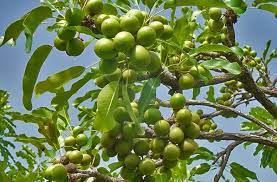
Shea butter is a women product. Women love, use and produce it. It comes from fat extracted from the nut of the African Shea tree. The product is ivory in color when raw and commonly dyed yellow. It is widely used in cosmetics as a moisturizer, salve or lotion. Shea butter is edible and is used in food preparation in some African countries.
The product is sourced from the Shea kernel, scientifically known as vitellaria paradoxa from the Ghana, a west African region. As part of its benefits, it is:
The goodness of the product inspires women in Ghana to produce it for local consumption. (Moharram 2006; cbi 2022).
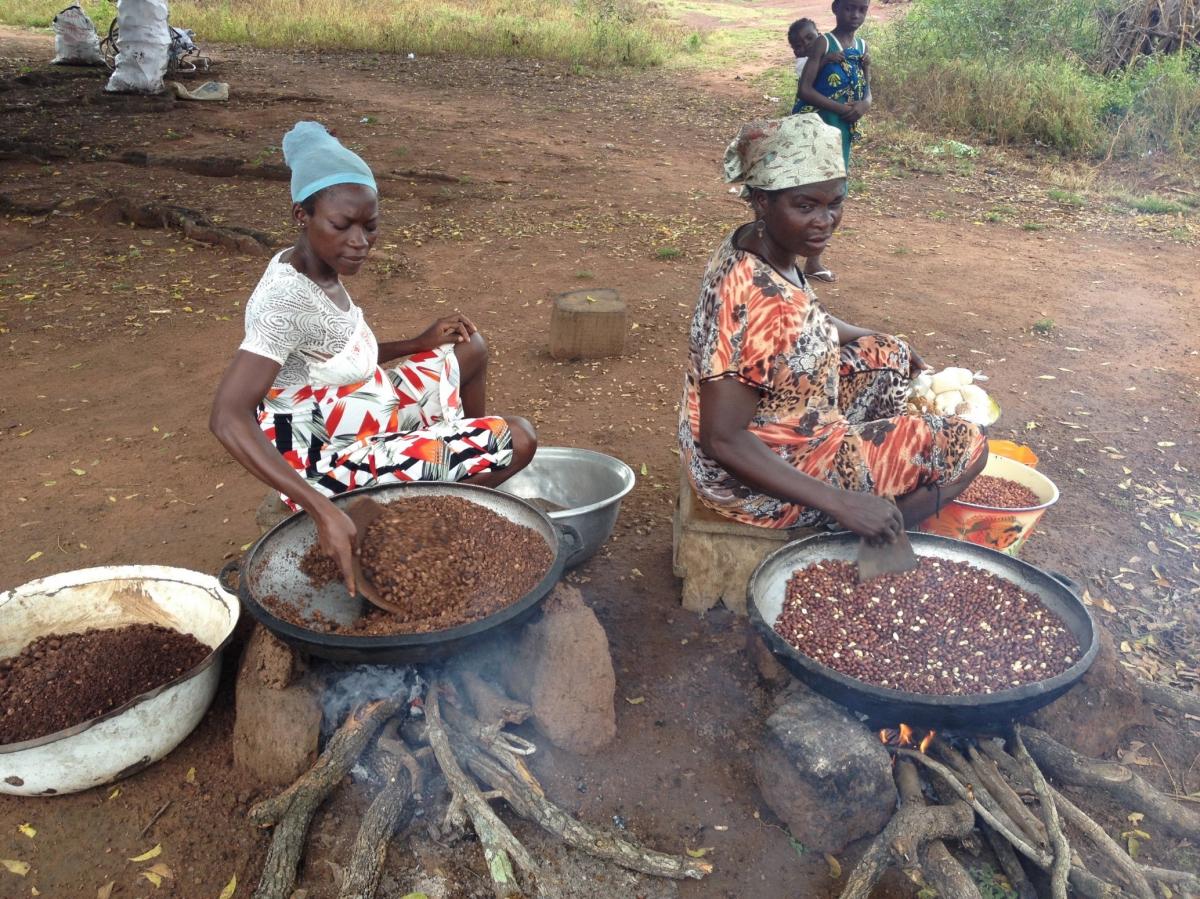
In Ghana, the women collect the raw materials (Shea fruits) by hand and make the butters using traditional methods. These methods are often too laborious. It takes around a month to complete this process whereas a suitable mechanization process would do so in only a few days.
The product is produced in smaller quantities; and the chances of bad seeds slipping through is high. The women gets paid less for more work to rid the seeds of bad ones..
A lot needs to be done to ensure that the level of production grows and matches or exceeds the input (CBI 2022).
There is a need to market Shea butter in a more organized way than is being done and to harness it’s organic and multi-functional possibilities. It is said to have a market value of USD $120 million for producing countries and this is because of the various ways it can be used by the buying public. For instance, besides it’s cosmetic properties it can be used for candles, cooking oil and detergent. It thus presents a many-in-one model product and a good business opportunity for entrepreneurs.
There is a lot of demand for Shea butter in current times especially in the European market. This couples with the fact that Ghanaian products are well received in Europe, especially the United Kingdom due to commonwealth ties. Marketing it the right way can help the industry achieve its potential for the hard-working women who source it (Moharram 2006).
An upgrade to the extraction technology can help. Ghanaian producers use traditional methods that requires arduous labour. The process starts with picking the fruits, de-shelling the Shea nut, sorting and drying before kneading into a consistent buttery matter. It takes the women a week or more of work. An improved extraction process can be an automated process that incorporate chemical methods like intermediate moisturizing to increase efficiency and quality.
On the ground research shows that small and medium women-owned enterprises do not have the capacity to purchase expensive equipment or the production chemical input required. Therefore a form of financing or aid needs to come in. A collaboration by the United Nations Development Fund for Women and Netherlands Development Organization, SNV, resulted in the introduction of innovation in mechanized technology. More aid from international organizations can further help improve upon production efficiency. (Abdul-mumeen et al. 2019).
Obtaining quality accreditation is a good way to market Shea butter. When a product is
accredited, it meets set standards because it is laboratory tested and certified for safe use. This increases the confidence level of buyers and help produce patronage.
For international Shea butter producers, a certification from the American Shea Butter Institute, ASBI can be useful . America is a good market for organic and quality products and getting ASBI accreditation supports a globalized marketing posture. For instance, for a product that is made in Ghana, certified by an American institute and advertised by a South Asian Broadcasting company, a world-wide audience is leveraged.
Addressing all these challenges and puting in place a good supply capacity will boost commercializing at this level (ASBI 2013).
| Bibliography |
|---|
| Abdul-Mumeen, Iddrisu et al. “Shea Butter extraction technologies: Current status and future perspective.” African Journal of Biochemistry Research, 28 February 2019, https://academicjournals.org/journal/AJBR/article-abstract/BC101F860142 . |
| “Entering the European market for shea butter.” CBI Ministry of Foreign Affairs, 29 March 2022, https://www.cbi.eu/market-information/natural-ingredients-cosmetics/shea- butter-0/market-entry. |
| Moharram, Hisham, et al. “Shea butter: Chemistry, Quality, and New Market Potentials.” ACS Symposium Series, Vol. 925, 12 January 2006, https://pubs.acs.org/doi/10.1021/bk-2006-0925.ch025. |
| The American Shea Butter Institute, ASBI, 2013, https://www.sheainstitute.com. “The European market potential for shea butter.” CBI Ministry of Foreign Affairs, 29 March 2022, https://www.cbi.eu/market-information/natural-ingredients-cosmetics/shea- butter/market-potential. |
My name is Hemarubhini Shanker and I am 25 years of age and currently works in Singapore as a quality assurance engineer in a laboratory specialized in testing commercialized products. My final year thesis was focused on the cost benefit analysis of renewable energy. Other than assuring the quality of my lab and uncovering capitalism and commercialisation, I also love to write. I especially adore it when I can use words as a medium to shine some light on the good that is happening in this world. My two favorite things in this world are to write and travel. I believe by writing stories and articles, I do both of my favourite things but magically in one place.
As Sudan continues to face the devastating effects of conflict, small businesses have become a…
Abstract Why do more than 70% of small businesses in Kenya fail within their first…
Abstract The increasing diffusion of digital technologies across developing economies has transformed the operational landscape…
Abstract Small and Medium Enterprises (SMEs) contribute significantly to local economic development in Ghana through…
Date:: Tuesday, 21 July 2026 Time:16:00 CAT (Central Africa Time) Location: Virtual (Zoom link provided…
The African Association of Entrepreneurs (AAE) is pleased to announce the official launch of OfferAfrica, a…